

Seeds Ireland
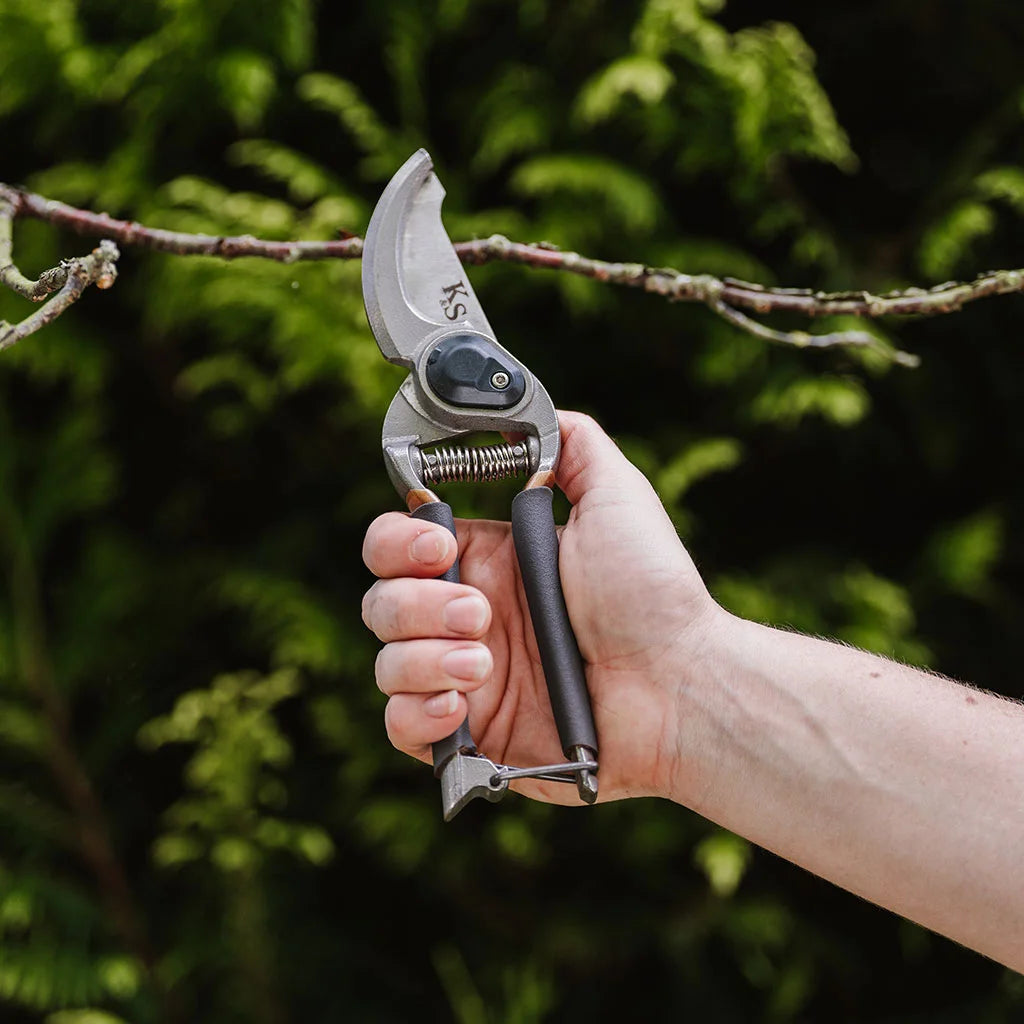
Traditional Bypass Secateurs | Kent & Stowe
- Normaler Preis
- €16.99 EUR
- Normaler Preis
-
- Verkaufspreis
- €16.99 EUR
- Grundpreis
- pro
Verfügbarkeit für Abholungen konnte nicht geladen werden
A classic, reliable choice for clean, precise pruning, these Traditional Bypass Secateurs are designed for gardeners who want accuracy without damaging delicate stems. Built with a strong drop-forged aluminium body and high-quality carbon steel blades, they deliver smooth cutting performance and long-lasting durability.
The bypass cutting action makes them ideal for roses, shrubs and general pruning of live, green wood, reducing the risk of crushing or bruising the stems. With comfortable handling, non-stick blades and a cutting diameter of up to 18mm, these secateurs are a dependable everyday tool for any garden.
Key Features
-
Ideal for delicate stems and live, green wood
-
Bypass cutting action helps prevent bruising
-
Drop-forged for extra strength and durability
-
High-quality carbon steel non-stick blades
-
Perfect for roses, shrubs and general pruning
-
Cutting diameter: 18mm
-
Durable aluminium construction
How To Use A Traditional Bypass Secateurs
Bypass secateurs are one of the most essential tools for clean, precise pruning. Designed with a scissor-like cutting action, they glide through live, green wood and delicate stems without crushing or bruising. Here’s how to use bypass secateurs properly to keep your plants healthy and tidy.
1. Choose the Right Stems
Bypass secateurs are best for live stems and soft green growth. They’re ideal for roses, shrubs, perennials and young branches. Avoid using them on dry, dead or very hard wood. Use an anvil secateurs or pruning saw instead.
2. Position the Blades Correctly
Place the sharp cutting blade on the side of the stem you want to keep. This ensures a smooth, clean cut close to the node without tearing the plant tissue.
3. Make Clean, Confident Cuts
Hold the secateurs firmly and apply even pressure. A clean, single motion helps prevent damage and reduces strain on your wrist and the tool.
4. Cut at the Correct Angle
Aim for a cut at about 45 degrees. This angle helps water run off the cut surface, lowering the risk of rot and disease.
5. Prune at the Right Spot
Cut just above a bud or growth node that faces outward. This encourages healthy new growth in the direction you want the plant to develop.
6. Don’t Force a Cut
If the branch is thicker than your secateurs’ maximum capacity (usually around 15–20mm), switch to loppers. Forcing a cut may damage the blades or crush the stem.
7. Keep Your Secateurs Clean and Sharp
After use, wipe the blades with a dry cloth, and occasionally apply a drop of oil to keep them moving smoothly. Sharp blades make cleaner cuts and protect plant health.
Teilen