

Seeds Ireland
Traditional Anvil Secateurs | Kent & Stowe
- Regular price
- €16.99 EUR
- Regular price
-
- Sale price
- €16.99 EUR
- Unit price
- per
Couldn't load pickup availability
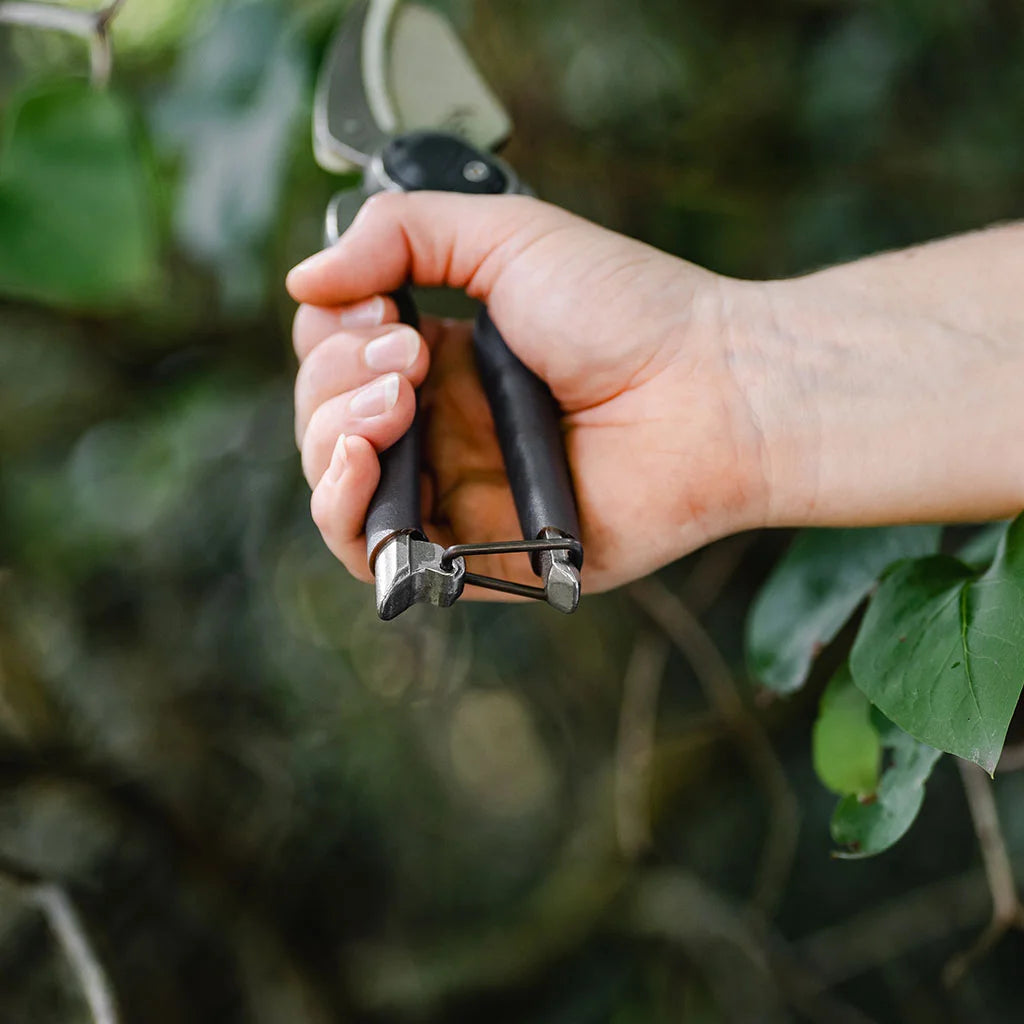
Designed for tougher pruning jobs, these Traditional Anvil Secateurs deliver powerful cutting performance with minimal effort. Built with a strong drop-forged aluminium body and high-quality carbon steel non-stick blades, they slice cleanly through mature, hard or dead wood, making them ideal for shrubs, hedges and older growth that bypass secateurs might struggle with.
The anvil cutting action provides extra leverage and reduces strain on your hands, especially when tackling woody stems. Durable, comfortable and designed for long-term use, these secateurs are a dependable tool for heavier garden pruning.
Key Features
-
Anvil cutting action for powerful pruning of hard or dead wood
-
Drop-forged construction for strength and durability
-
High-quality carbon steel non-stick blades
-
Ideal for mature shrubs, hedges and tough stems
-
Cutting diameter: 18mm
-
Aluminium body for lightweight performance
How To Use Anvil Secateurs
Anvil secateurs are designed for tough, woody stems and dead wood, making them an essential tool for heavier pruning jobs. Unlike bypass secateurs, which use two blades to make a scissor-like cut, anvil secateurs have a single sharp blade that closes onto a flat anvil plate. This creates extra cutting power and reduces effort, especially on hard or dry branches. Here’s how to use anvil secateurs safely and effectively.
1. Choose the Right Material
Use anvil secateurs on mature, woody or dead branches. They are perfect for shrubs, hedges, fruit trees and older stems. For live, delicate growth, use bypass secateurs instead to avoid crushing.
2. Position the Branch on the Anvil
Place the branch squarely on the flat anvil surface. This supports the wood and prevents slipping, helping you make a clean, controlled cut.
3. Apply Firm, Even Pressure
Squeeze the handles smoothly, allowing the blade to cut straight down onto the anvil. Anvil secateurs require less force than bypass types, making them ideal for tougher stems.
4. Avoid Twisting or Forcing
If the branch is thicker than your secateurs’ cutting diameter, don’t force it, switch to loppers or a pruning saw. Forcing the cut may damage the blades or the plant.
5. Cut Close, But Not Too Close
When removing dead wood or shaping shrubs, cut just above a bud or branching point. Avoid cutting flush against the trunk, as this can hinder healing.
6. Keep the Blades Clean
After use, wipe the blade and anvil plate with a dry cloth. Occasional oiling keeps the mechanism moving smoothly and protects against rust.
7. Store Safely
Lock the blades closed when not in use and store your secateurs in a dry place. A hanging loop or tool rack keeps them accessible and tidy.
Share